
produced by Parallelo 41
with Luce Cinecittà
in collaboration with Rai Cinema
with the contribution of Film Commission Campania e Regione Campania
from an idea by Quintessenza
story by Roberto Carro, Luca Rossomando
directed and photographed by Roberto-C.
produced by Antonella Di Nocera
editing Alessandra Carchedi
sound editing Massimo Mariani
color grading Simona Infante
original music Antonio Raia, Sergio Naddei
logo animation Quintessenza Mario Damiano
The “social question” in Naples is the permanent backdrop to the discourse on the city: as an endless emergency, latent violence, suffering both givenand received. Its protagonists are subject to constant public scrutiny. Yet, its core remains a taboo: denied, immutable, unchanged over time. The reasons and essence of this phenomenon are not the subject of question and it never becomes a political issue. It may be beneficial to draw upon the theoretical insights of Frantz Fanon, rather than those that we inherited from Marx, to identify and bring it to light.
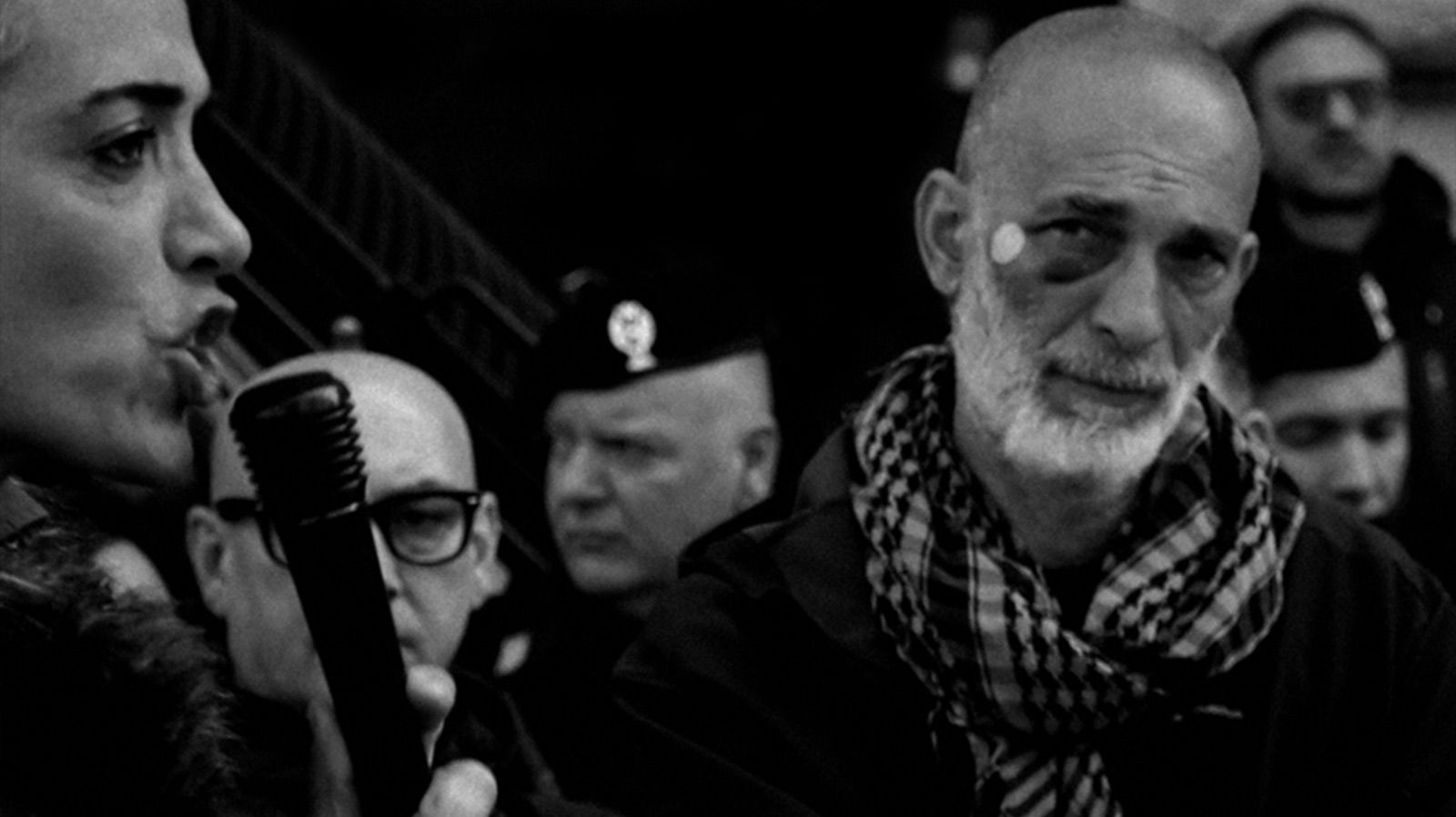
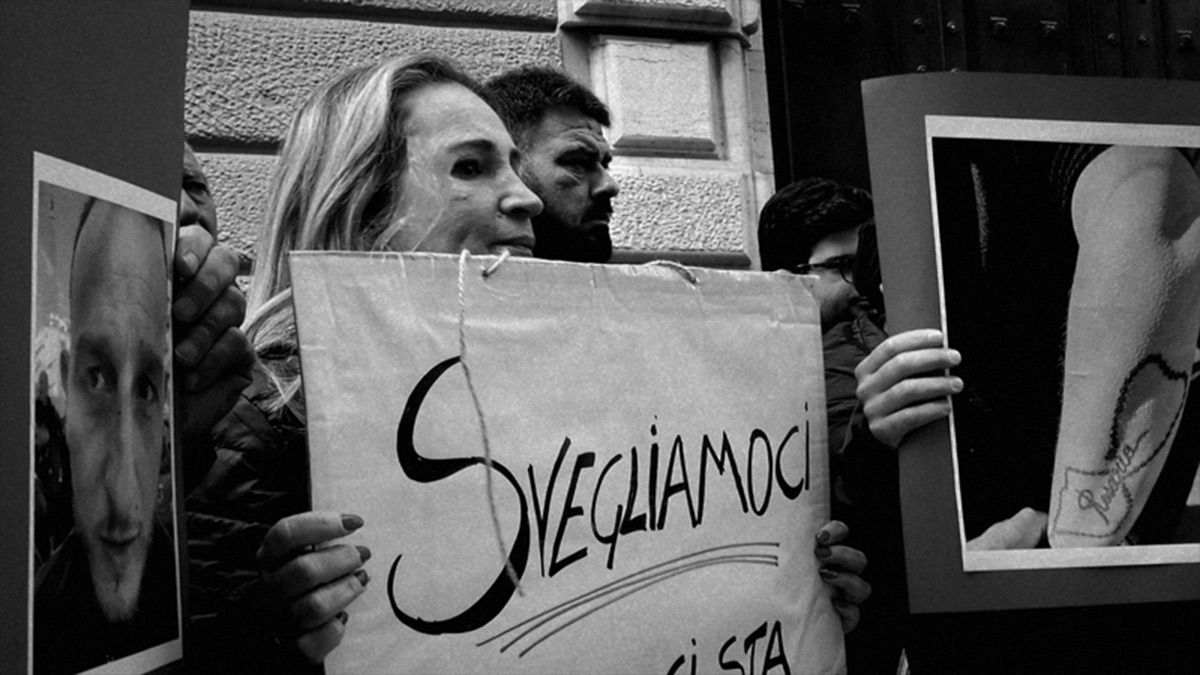
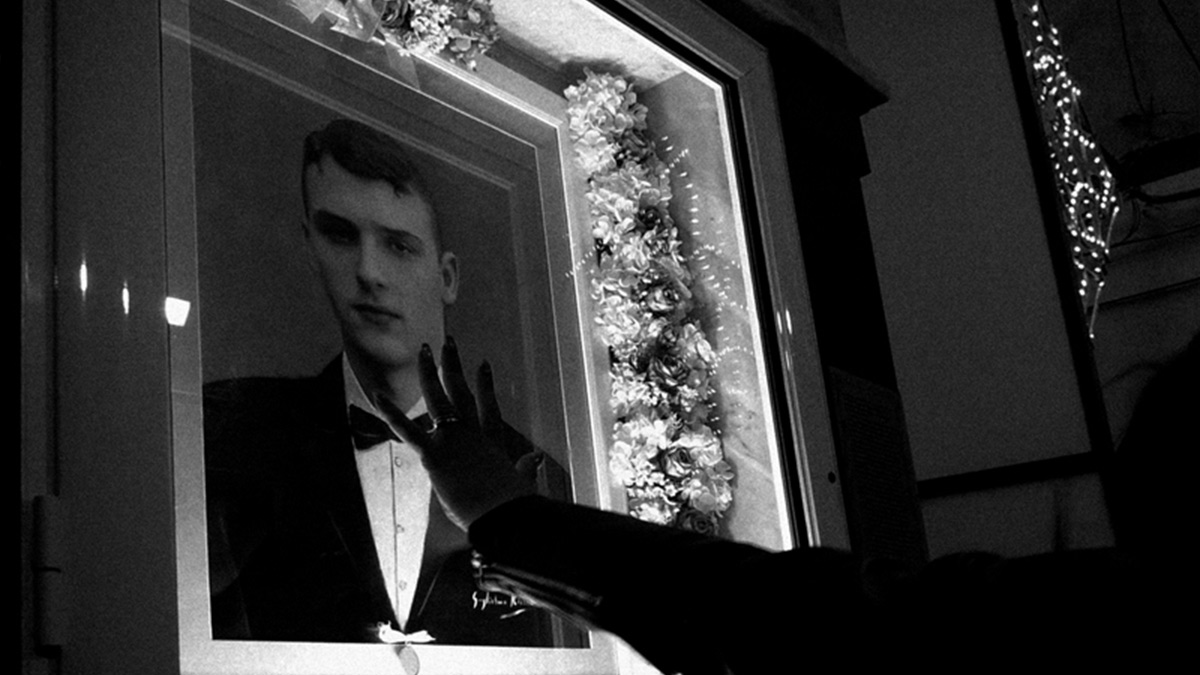
The stories of Pio, a precarious worker in the tourism industry; of Ugo’s family, seeking truth and justice after the boy’s murder; and finally, the one of the organized unemployed who have been fighting for years for a dignified job, they reflect three movements along a single trajectory, which unites the lives of the invisible and voiceless of the city.
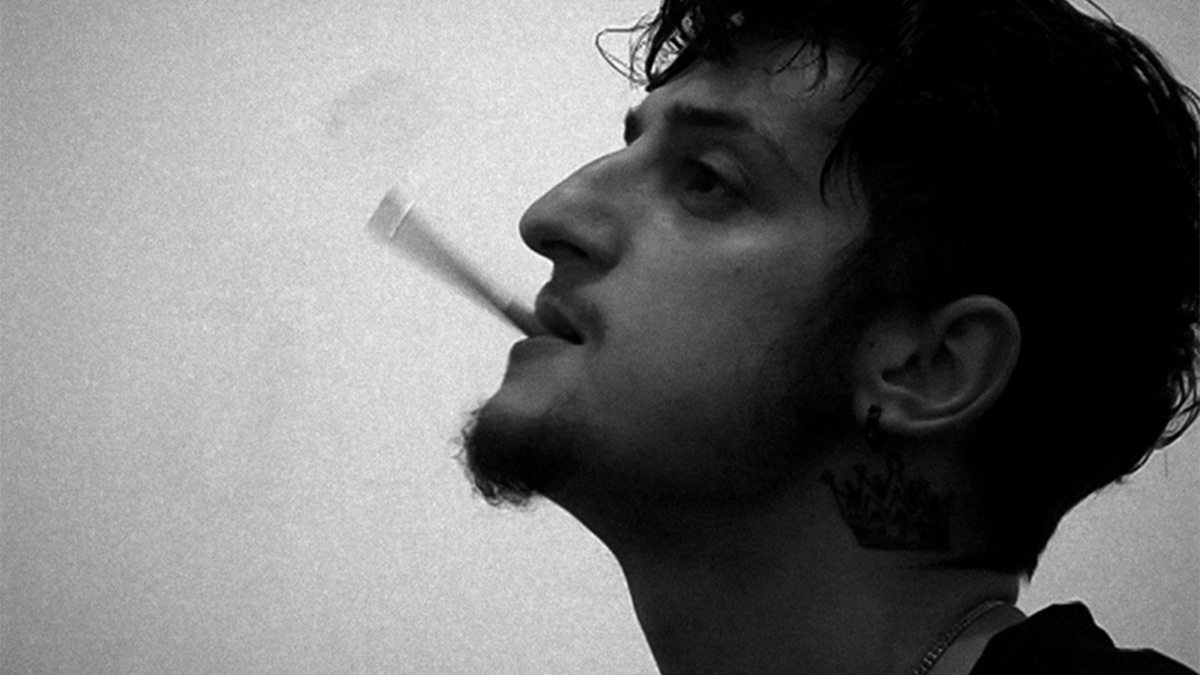
It is not necessary to hold a university degree to realize that your life offers no prospects. On the other hand, one would have to live like a hermit to escape the obsessive messages coming from the society of the integrated: make money, be successful, consume without limits, or you will be nothing. Yet, some know how to escape, how to recognize the trap of self-destruction. They clench their fists, lower their gaze and accept what is there; they keep their dreams alive, and in the meantime they do not “integrate”.
Then there are the others. Those who burn all bridges behind them, those who would like to turn back but they find it’s already too late. They are the ones who will give and receive grief, who will drive into a wall on their own or will be forced into surrender.
There will be no integration. The invisible ones must find a way out together, or they won’t find one at all. They will have to find their own paths to emancipation — or maybe together with those who still have the strength to stand by them: without mental reservations and without pinning medals on their chests. They will have to do it themselves, but it is not up to them.

PHOTOGALLERY

Registered Office
80147 - Napoli
Operational Headquarters
80129 - Napoli